
Why is Singing Good for You?
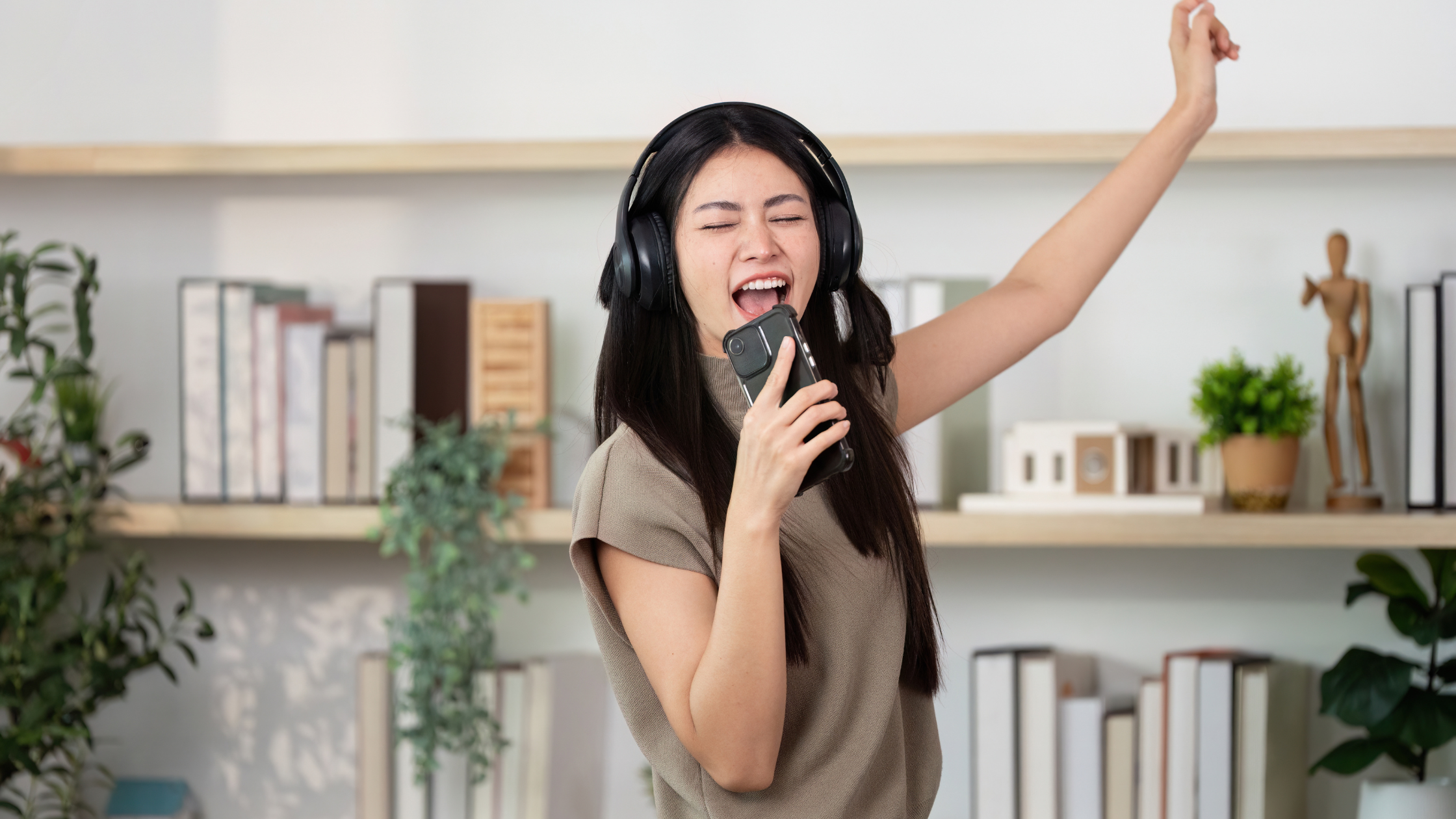
Understanding why singing is good for you goes beyond hitting the right notes. For children and teens, singing is a full-body activity that strengthens breath control, supports emotional regulation, and builds the kind of confidence that carries into everyday life. It is practiced everywhere from school music classes to performance-focused academies. An example is the Pop Star Performance Academy, which is connected to Canadian youth pop group Girl Pow-R. Whether a child sings at home or on a real stage, vocal training nurtures the voice and the whole person.
What Are the Specific Physical and Mental Health Benefits of Singing?
Singing engages the body and the mind at the same time. When a child sings, they naturally deepen their breathing, engage their core muscles, and improve their posture — all physical benefits that develop gradually with consistent practice. On the mental side, singing requires focus and memory, as learners recall lyrics, melodies, harmonies, and timing simultaneously. It also offers an emotional outlet, giving young people a constructive way to express feelings they may not yet have the words to explain. For children and teens in particular, these combined benefits make singing one of the most well-rounded activities available.
Here is a clear breakdown of the physical and mental benefits most commonly associated with regular vocal practice for young singers:
| Benefit Area | What It Means for Kids and Teens |
|---|---|
| Breath Control | Singing trains diaphragmatic breathing, which improves lung efficiency and helps children manage stress responses naturally. |
| Posture and Core Strength | Proper vocal technique requires an aligned, upright posture, which builds body awareness over time. |
| Memory and Cognitive Focus | Learning lyrics, melodies, and harmonies strengthens working memory and concentration skills. |
| Emotional Expression | Singing gives children a healthy, creative channel for processing emotions and experiences. |
| Stress Reduction | The act of singing — particularly in a group — is widely associated with reduced anxiety and an improved sense of wellbeing. |
| Social Connection | Group singing builds listening skills, teamwork, and a sense of belonging among young performers. |
The members of Girl Pow-R — a Canadian all-girl pop group whose members range in age from 5 to 20+ — embody this combination in a very visible way. Each member sings, dances, plays instruments, and uses acting skills on stage and in music videos. The group was formed on International Women’s Day in 2017, and has since performed over 450 shows across Canada and the United States. Their music is intentionally clean and positive, and each member also champions a personal social cause — from mental health awareness to youth homelessness to healthy living. That connection between singing, purpose, and wellbeing is not accidental. It reflects what structured, values-driven vocal training can look like in practice.
How Does Singing Build Confidence in Kids and Teens?
Singing builds confidence by repeatedly asking young performers to do something vulnerable — use their voice — and then rewarding that effort with skill, feedback, and applause. Over time, a child who learns to project their voice on a stage also becomes more willing to speak up in a classroom, introduce themselves to new people, or handle social pressure with composure. The mechanics of performing — breath support, eye contact, timing, and stage presence — are all transferable life skills that grow alongside vocal ability.
This is exactly the model at the heart of the Pop Star Performance Academy, which is directly connected to Girl Pow-R. Students do not just learn to sing in isolation. They train across singing, dancing, and acting in a performance-integrated environment, building the full range of skills that real stage readiness requires. The goal is not only a better voice — it is a more confident, expressive, and resilient young person.
Girl Pow-R itself is a living example of this philosophy. The group has performed on YTV’s The Zone, TVOKids, Breakfast Television, CityTV, CP24 Breakfast, and SiriusXM Radio. Their music has been featured in publications like Tiger Beat, J-14, and Girls’ Life. In March 2020, they made history as part of the first-ever group of young people to be nominated for a JUNO Award — Canada’s equivalent of the Grammy Awards — in the Children’s Album of the Year category. That level of stage readiness, media confidence, and public performance ability does not happen without intentional, structured training. It is the direct result of developing vocal skills alongside the confidence to use them.
For parents who want to understand the connection between performance training and everyday confidence, it helps to think about what a child actually practices in a structured program. They rehearse making mistakes in a safe environment. The child learns to recover and keep going. Then they perform in front of an audience and discover that their voice has value. Each of these experiences, repeated over time, builds the kind of self-assurance that parents notice long before their child ever steps on a stage.
You can follow Girl Pow-R on TikTok and YouTube to see what confident, trained young performers look like in action — the group has accumulated over 1.1 million TikTok streams and more than 1.1 million YouTube video views.
What Age Should My Child Start Singing Lessons?
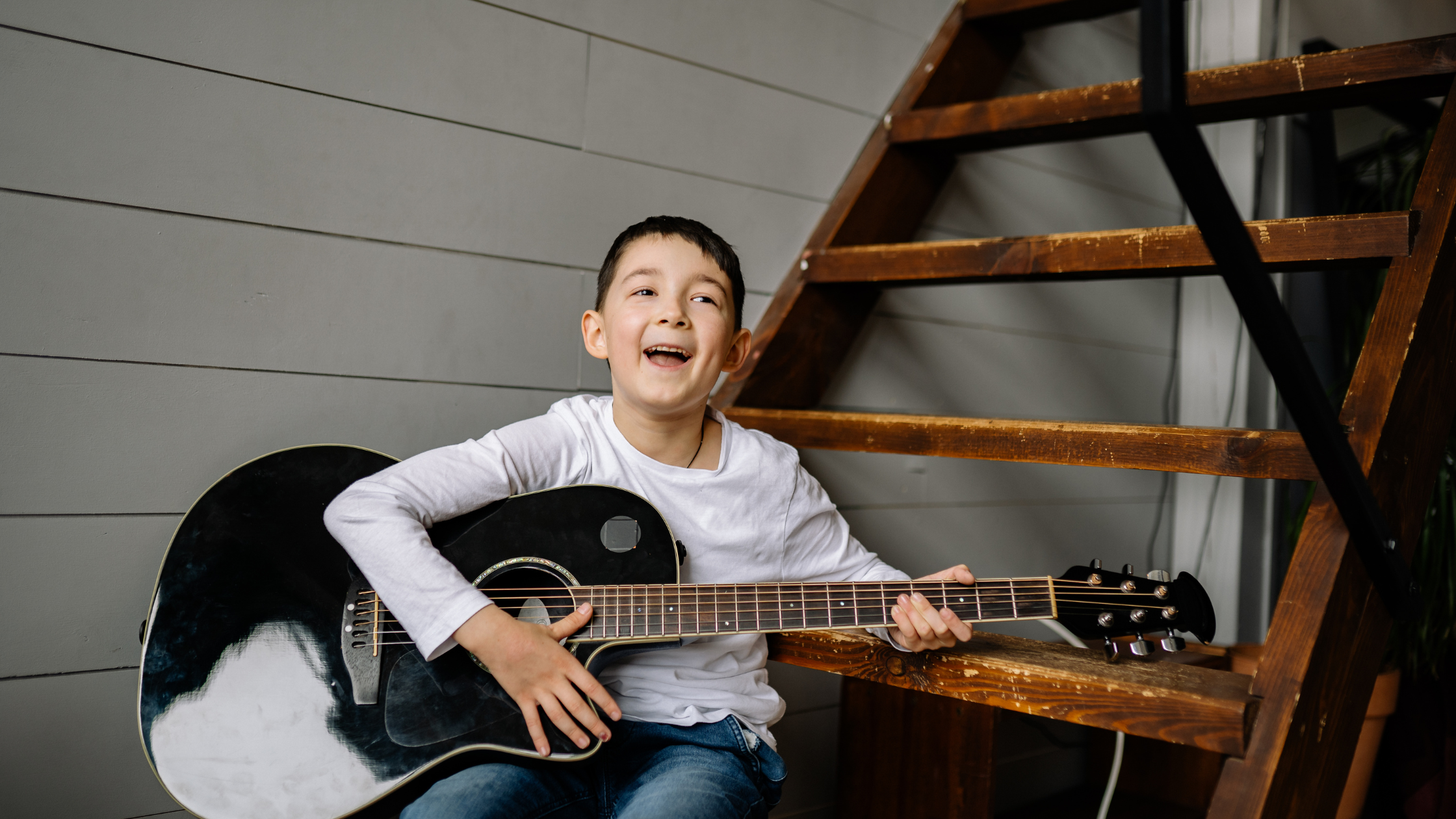
Children can begin exploring music and vocal activities at a very young age, with structured programs available for children as young as preschool age. Early programs tend to focus on rhythm, listening, basic pitch recognition, and singing simple songs — activities that build musical instincts without placing strain on young, still-developing voices. As children grow, vocal training evolves to include breath support, range development, harmony, and eventually performance skills like stage presence and microphone technique.
Here is a general guide to how vocal training typically develops across age groups:
| Age Range | What to Expect from Vocal Training |
|---|---|
| Ages 1.5 – 5 | Music exploration through song, rhythm, and movement. Focus is on ear training and joy, not technique. |
| Ages 6 – 9 | Introduction to basic vocal technique, breath awareness, and simple melody. Group classes work well at this stage. |
| Ages 10 – 13 | More structured technique work, including pitch control, dynamics, and early performance skills. Ideal time to begin stage training. |
| Ages 14 – 17 | Deeper vocal development, harmonization, songwriting, and performance confidence. Students can begin taking on more complex repertoire. |
| Ages 18 – 20+ | Advanced technique, original music, and professional-level performance preparation. Students may pursue auditions, recordings, or touring experiences. |
Girl Pow-R’s own membership spans ages 5 to 20+, which reflects how a well-designed performance program can meaningfully serve young people across a wide developmental range. The Pop Star Performance Academy follows this same principle, offering age-appropriate training pathways so that younger beginners and older, more experienced students each receive instruction suited to where they are — not a one-size-fits-all approach.
One important note for parents: younger children should never be pushed to strain their voices. A quality program will always prioritize vocal health, age-appropriate repertoire, and a positive relationship with singing above all else. The goal at every age is to build a foundation of enjoyment and skill that the child will carry forward for years.
How Do You Choose the Right Vocal Program for Your Child?
Choosing the right vocal program for your child means looking beyond the curriculum to consider the values, environment, and real-world experience behind the training. A strong program will combine qualified instruction with a safe, encouraging atmosphere where young people feel genuinely supported. It will also align with the values your family holds — including age-appropriate content, positive role models, and a culture that builds students up rather than simply preparing them to compete.
Here are the key factors parents should evaluate when assessing any vocal or performing arts program:
- Qualified, experienced instructors who understand child and teen vocal development and adapt their teaching to different ages and ability levels.
- A positive, family-friendly environment where students feel safe to make mistakes and grow without fear of judgment or inappropriate content.
- A performance-integrated curriculum that goes beyond vocal drills to include stage presence, movement, and real performance opportunities.
- Age-appropriate values and repertoire that reflect the kind of messages you want your child to internalize through music.
- A community of peers who share similar goals, so your child feels a sense of belonging and shared purpose alongside their training.
- Real-world performance exposure — showcases, events, or opportunities to perform for actual audiences as part of the training process.
What Type of Program Would Make Sense for Your Child?
The Pop Star Performance Academy, connected to Girl Pow-R, was built around exactly these principles. The Academy offers performing arts training — including singing, dancing, and acting — within the same values-driven culture that Girl Pow-R has operated from since its founding on International Women’s Day in 2017. That culture includes a clear commitment to clean, positive music, social responsibility, and youth empowerment. Every member of Girl Pow-R represents a personal social cause — from girls’ education and mental health awareness to youth homelessness and healthy living. Students at the Academy train within that same framework, learning not just how to perform, but why their voice matters.
The Academy currently operates across multiple locations in Ontario, including Mississauga, North York, Toronto downtown, Etobicoke, Richmond Hill, Markham, Ajax, London Ontario, and Barrie, with a location coming soon in Ottawa and other cities across North America, and beyond. This broad geographic reach means more families can access quality, values-aligned performance training close to home.
For parents researching programs, it is also worth considering whether the instructors and the program itself have a credible, visible track record. Girl Pow-R’s JUNO nomination, two completed US tours, media features in Tiger Beat, J-14, and Girls’ Life, and over 450 live performances across Canada and the United States are not just marketing points — they are evidence of what consistent, structured training can produce in young performers. That real-world credibility is woven directly into the Academy’s approach.
To learn more about the Pop Star Performance Academy or to explore Girl Pow-R’s music and mission, visit girl-pow-r.com, or follow the group on Instagram, Facebook, and Spotify.